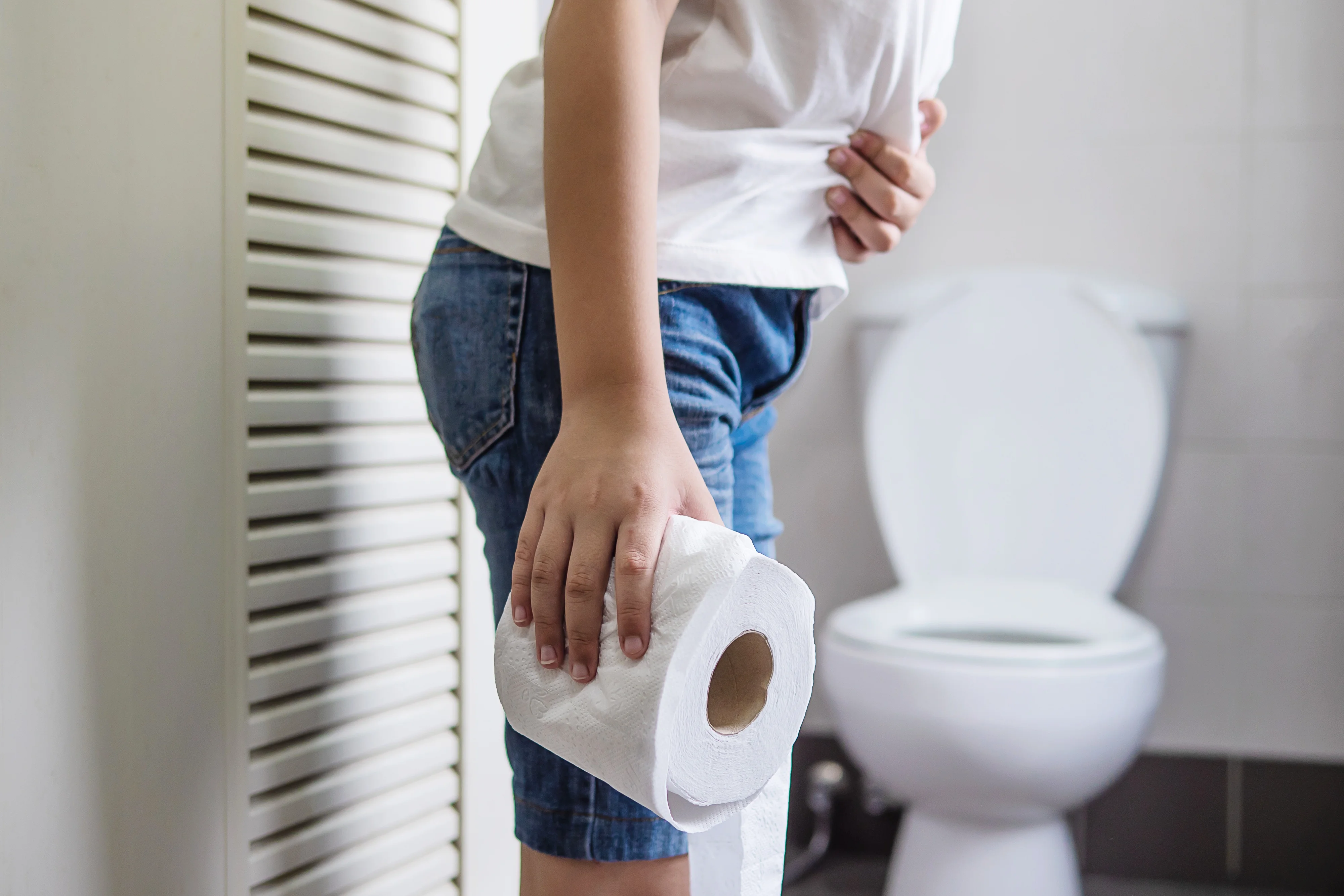
Urinary Incontinence: An Evidence-Based Physical Therapy Approach
Introduction
Urinary
incontinence (UI) is defined as the involuntary loss of urine and
represents a common yet often underreported health condition. Although not
life-threatening, urinary incontinence can significantly impair physical
function, emotional well-being, social participation, and quality of life.
Globally,
more than 400 million people are affected by urinary incontinence, with
higher prevalence among women and older adults. Despite its frequency,
UI is frequently underdiagnosed due to social stigma and the false
belief that it is a normal consequence of aging. Current evidence clearly
indicates that urinary incontinence is treatable, and in many cases reversible,
especially with appropriate physical therapy intervention.
In
clinical practice, urinary incontinence often occurs secondary to other
medical conditions, surgeries, medications, or neurological disorders.
Recognizing UI as a secondary condition emphasizes the importance of addressing
underlying causes to optimize long-term outcomes.
Risk Factors for Urinary Incontinence
Several
factors increase the risk of developing urinary incontinence:
1-
Gynecological
and Obstetric Factors
Pregnancy,
vaginal delivery, prolonged labor, and hysterectomy may weaken the pelvic
floor muscles and supportive structures of the bladder and urethra. These
are the most common risk factors in women.
2-
Menopause
Reduced
estrogen levels lead to atrophic changes in the urogenital tissues,
resulting in decreased urethral closure pressure and bladder support.
3-
Obesity
Excess
body weight increases intra-abdominal pressure, placing chronic strain
on the pelvic floor muscles and connective tissue.
4-
Chronic Cough
and Constipation
Repetitive
increases in intra-abdominal pressure over time contribute to pelvic floor
muscle dysfunction and reduced continence control.
Pathophysiology of Urinary Incontinence
-
Stress Urinary Incontinence (SUI)
Stress
urinary incontinence occurs when pelvic floor muscle weakness leads to
urethral hypermobility. During activities such as coughing, sneezing, laughing,
or physical exertion, increased abdominal pressure exceeds urethral closure
pressure, resulting in urine leakage.
-
Urge Urinary Incontinence (UUI)
Urge
urinary incontinence is caused by involuntary detrusor muscle contractions
during bladder filling. It is often associated with neurological conditions,
urinary tract infections, or bladder irritants such as caffeine.
Types of Urinary Incontinence
- Stress
Incontinence: Leakage during coughing, sneezing,
exercise, or lifting
- Urge
Incontinence: Sudden urgency followed by involuntary
leakage
- Overflow
Incontinence: Continuous dribbling due to incomplete
bladder emptying
- Functional
Incontinence: Inability to reach the toilet due to
physical or cognitive limitations
- Mixed
Incontinence: Combination of two or more types (most
commonly stress and urge)
Physical Therapy Management of Urinary Incontinence
Physical
therapy is recognized internationally as the first-line, evidence-based
treatment for urinary incontinence. Conservative management is recommended
before pharmacological or surgical interventions.
Pelvic Floor Muscle Training (PFMT)
Pelvic
floor muscle training is the cornerstone of physical therapy management
for urinary incontinence.
Evidence shows that PFMT:
- Improves pelvic
organ support and urethral closure
- Enhances muscle
strength, endurance, coordination, and timing
- Reduces
urine leakage across all types of urinary incontinence
- Significantly
improves quality of life
Supervised
pelvic floor muscle training delivered by a qualified physical therapist
results in greater adherence, improved technique, and better outcomes
compared to unsupervised exercise programs.
Assessment of Urinary Incontinence in Physical Therapy
1-Hour Pad Test
An
objective method used to quantify urine leakage. The pad is weighed before and
after one hour of standardized activity, and the weight difference reflects the
amount of leakage.
Stress Test
Performed
with a comfortably full bladder during coughing or a Valsalva maneuver.
Immediate leakage suggests stress urinary incontinence.
Patient Education
Education
is a critical component of successful urinary incontinence management.
Key
educational topics include:
- Anatomy
and function of the bladder and pelvic floor
- Identification
of bladder irritants (e.g., caffeine, carbonated drinks)
- Healthy
voiding habits
- Effects of
constipation and straining on pelvic floor health
- Correct
pelvic floor muscle contraction techniques
- Reassurance
that urinary incontinence is common, treatable, and not a normal part
of aging
Prevention Strategies
- Adhering
to the physical therapist’s treatment plan
- Maintaining
healthy body weight and fluid intake
- Managing
bowel habits to prevent constipation
- Practicing
bladder training and urge suppression techniques
- Activating
pelvic floor muscles during activities that increase abdominal pressure
(“the knack”)
Key Message
Education,
lifestyle modification, and evidence-based physical therapy interventions are essential
for the prevention and management of urinary incontinence. Early
intervention leads to better outcomes and reduced long-term complications.
Urinary Incontinence Treatment at The One Physical Therapy Center
At The
One Physical Therapy Center, urinary incontinence is managed through a comprehensive,
individualized, evidence-based physical therapy approach. Assessment and
treatment are conducted by qualified physical therapists specialized in pelvic
floor rehabilitation.
Our
management programs include:
- Pelvic
floor muscle training
- Bladder
training and behavioral modification
- Patient
education
- Lifestyle
and functional activity adaptation
Treatment
plans are tailored according to the type of urinary incontinence,
patient-specific needs, and functional goals, with the objective of improving
bladder control, restoring confidence, and enhancing overall quality of life.
References
Bø,
K., Berghmans, B., Mørkved, S., & Van Kampen, M. (2015). Evidence-based
physical therapy for the pelvic floor. Elsevier.
Dumoulin,
C., Cacciari, L. P., & Hay-Smith, E. J. C. (2018). Pelvic floor muscle
training versus no treatment for urinary incontinence in women. Cochrane
Database of Systematic Reviews, (10), CD005654. https://doi.org/10.1002/14651858.CD005654.pub4
Haylen,
B. T., de Ridder, D., Freeman, R. M., Swift, S. E., Berghmans, B., Lee, J., …
Schaer, G. N. (2010). An International Urogynecological Association
(IUGA)/International Continence Society (ICS) joint report on the terminology
for female pelvic floor dysfunction. Neurourology and Urodynamics,
29(1), 4–20. https://doi.org/10.1002/nau.20798
National
Institute for Health and Care Excellence (NICE). (2019). Urinary
incontinence and pelvic organ prolapse in women: Management (NG123).