Spina Bifida: Physical Therapy Approaches for Mobility, Posture, and Orthotic Use
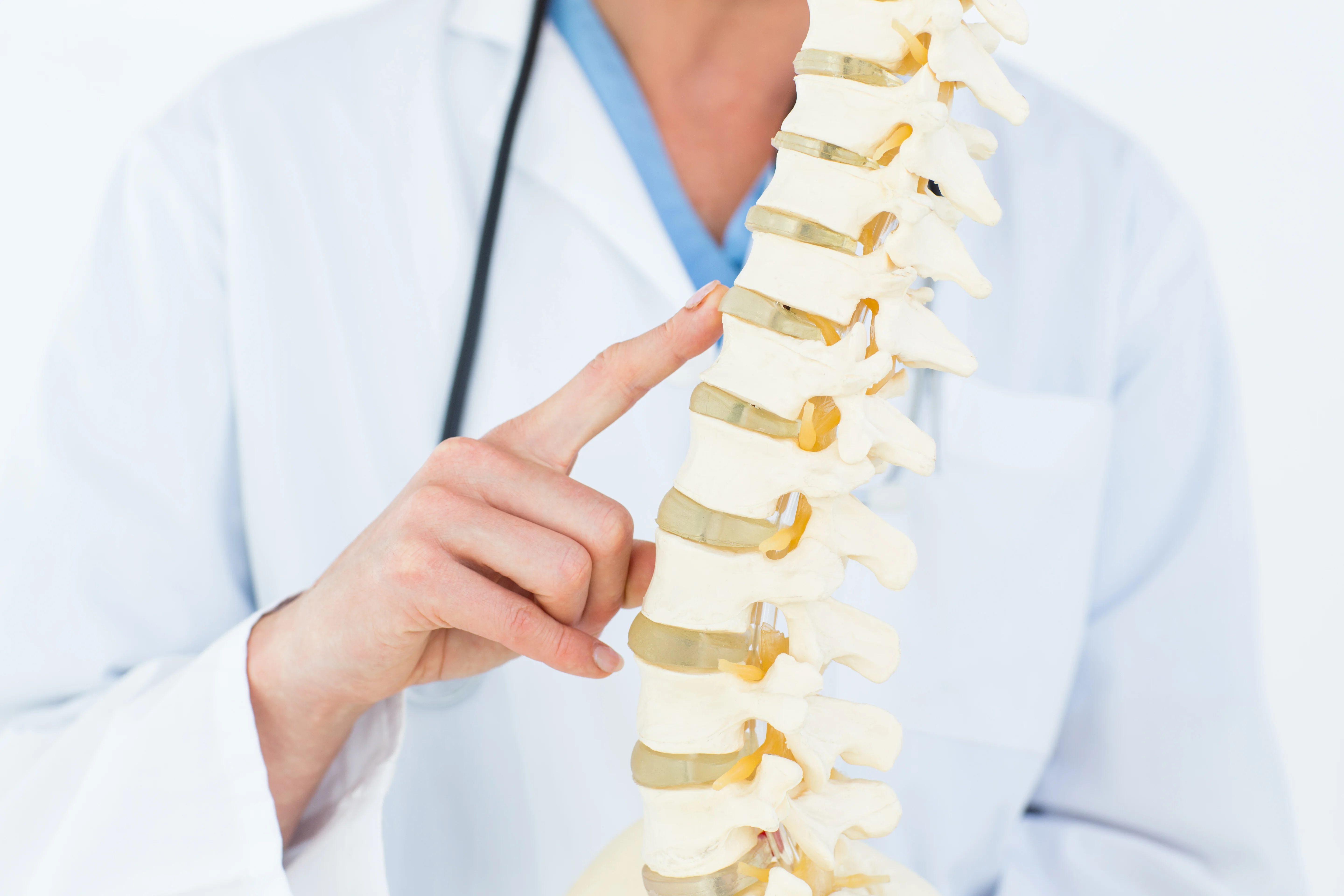
Spina Bifida (SB) is a congenital neural tube defect that affects the spinal cord and vertebrae, leading to motor, sensory, and postural impairments in children. The level and severity of the lesion determine the extent of lower-limb weakness, trunk instability, and functional limitations. Early and ongoing physical therapy interventions are essential to optimize mobility, posture, and independence in daily activities.
Physical Therapy Goals in Spina Bifida
Enhance mobility: Promote safe crawling, sitting, standing, and walking depending on the level of lesion.
Improve trunk and postural control: Stabilize the spine and pelvis to prevent deformities and optimize function.
Strengthen muscles: Focus on lower limbs and trunk to improve functional abilities and prevent secondary complications.
Encourage participation: Facilitate engagement in play and daily tasks, enhancing overall quality of life.
Mobility Interventions
Task-oriented training: Repetitive practice of functional activities, such as transfers, gait, and stair climbing.
Supported ambulation: Use of gait trainers, walkers, or parallel bars depending on the child’s abilities.
Wheelchair training: For children with higher-level lesions, optimizing independent mobility and posture in seated positions.
Balance and coordination exercises: Using therapy balls, standing frames, or functional task practice to improve trunk control and weight shifting.
Posture and Alignment
Postural correction and trunk stabilization exercises are critical to prevent scoliosis, pelvic obliquity, and joint contractures.
Techniques include therapeutic positioning, NDT (Neurodevelopmental Treatment), and task-specific functional activities to maintain optimal alignment and prevent secondary musculoskeletal issues.
Orthotic Use
Orthoses play a key role in mobility and alignment:
Ankle-Foot Orthoses (AFOs): Support walking, improve ankle alignment, and prevent foot deformities.
Knee-Ankle-Foot Orthoses (KAFOs): Assist children with higher lesions to stand and walk safely.
Custom braces: Improve posture and prevent contractures.
Evidence shows that proper orthotic prescription and physical therapy combination enhances walking efficiency, trunk stability, and functional independence in children with SB (Bowman et al., 2019; McDonald et al., 2016).
Why We Use These Approaches in Our Center
At The One for Pediatric Physical Therapy, we integrate:
Individualized therapy plans based on the child’s lesion level, functional goals, and family priorities.
Evidence-based interventions: Combining task-specific mobility training, trunk stabilization, and orthotic support.
Multidisciplinary collaboration: Working with occupational therapists, orthotists, and physicians to optimize outcomes.
Early intervention focus: Starting as early as possible to maximize independence, prevent secondary complications, and enhance school readiness.
Conclusion
Children with Spina Bifida benefit from comprehensive, individualized, and evidence-based physical therapy programs. Addressing mobility, posture, and orthotic needs improves functional independence, quality of life, and participation in daily activities. Early and consistent intervention is the key to long-term success.
References
Bowman, R. M., McLone, D. G., Grant, J. A., Tomita, T., & Ito, J. (2019). Spina bifida: Pathophysiology, management, and outcomes. Neurosurgical Focus, 46(5), E3.
McDonald, C. M., Stevenson, R. D., & Chumlea, W. C. (2016). Physical therapy management of children with spina bifida: Current perspectives. Pediatric Physical Therapy, 28(3), 271–280.
Dicianno, B. E., et al. (2015). Rehabilitation and assistive technology for children with spina bifida. Developmental Medicine & Child Neurology, 57(1), 25–35.