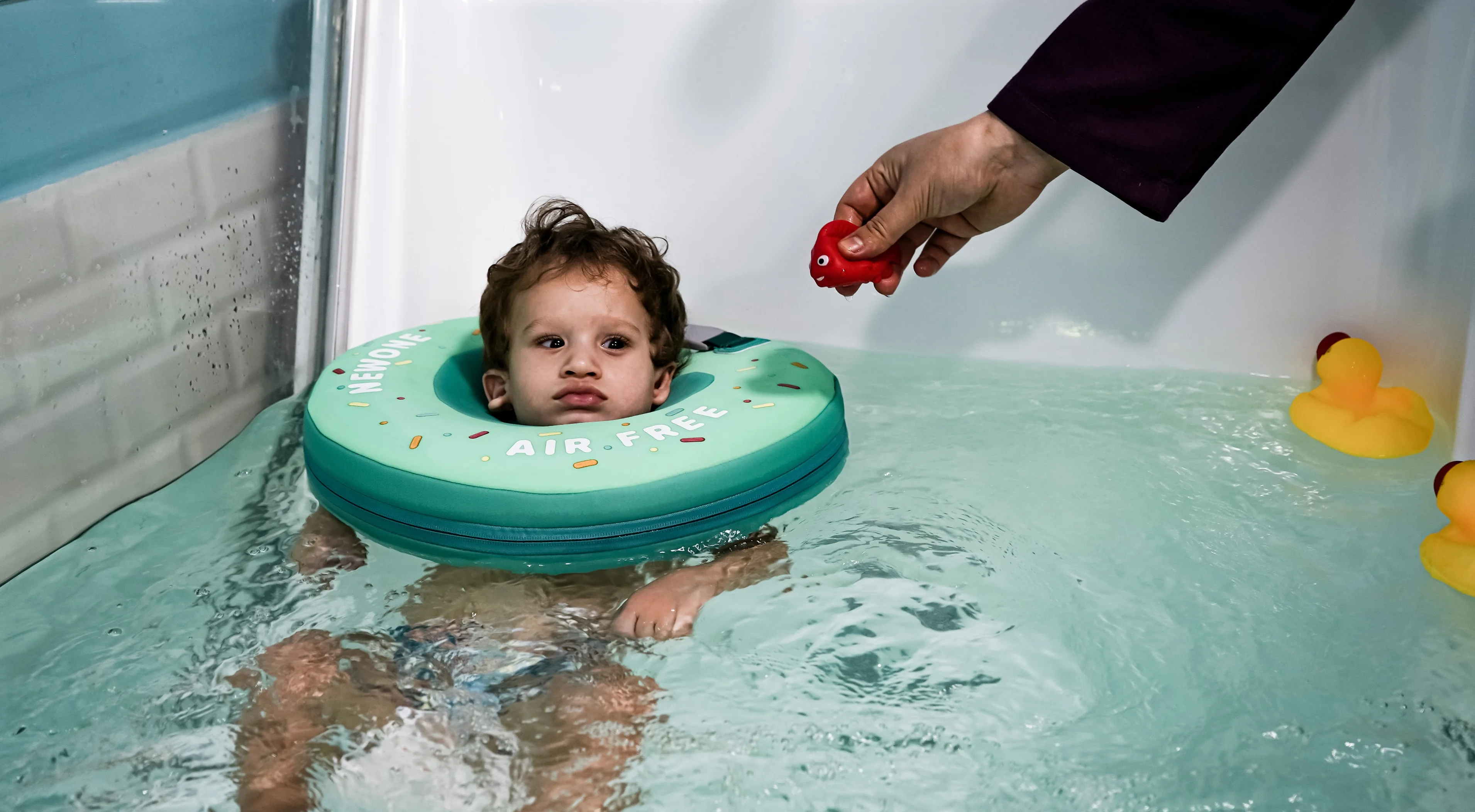
Aquatic Therapy: Benefits for Mobility, Strength, and Sensory Regulation
Aquatic therapy is a specialized form of physical therapy conducted in water, offering a safe, supportive, and motivating environment for children. The unique properties of water—buoyancy, viscosity, and hydrostatic pressure—make it ideal for enhancing motor skills, muscle strength, balance, and sensory regulation.
Key Benefits of Aquatic Therapy
Mobility Support: Water reduces the effects of gravity, allowing children with limited strength or joint restrictions to move more freely and safely.
Strengthening and Endurance: Resistance from water helps build muscle strength and improve cardiovascular endurance without overloading the joints.
Balance and Coordination: Buoyancy and water turbulence challenge postural control and improve balance and coordination.
Sensory Regulation: Water provides multi-sensory input (pressure, temperature, and movement), supporting children with sensory processing difficulties.
Confidence and Motivation: The playful nature of aquatic activities enhances participation, engagement, and motivation.
Evidence-Based Support
Studies show that aquatic therapy improves gross motor function, walking speed, and balance in children with cerebral palsy and developmental delays (Sharma et al., 2017).
Aquatic programs can also reduce spasticity and improve functional mobility in pediatric populations (Dahlin-Ivanoff et al., 2018).
Children with sensory integration challenges benefit from controlled sensory input and movement experiences in water, which can translate into better motor control on land (Bettany-Saltikov et al., 2013).
Implementation in Pediatric Therapy
Sessions are tailored to each child’s needs, goals, and abilities.
Activities include walking, jumping, reaching, and play-based exercises in shallow or deep water.
Therapists continuously monitor safety, progression, and functional outcomes, combining aquatic therapy with conventional therapy when appropriate.
Conclusion
Aquatic therapy offers a fun, safe, and effective approach for improving mobility, strength, balance, and sensory regulation in children. Its multi-sensory benefits and supportive environment make it a valuable complement to land-based therapy programs.
References
Sharma, N., et al. (2017). Effects of aquatic therapy on gross motor function in children with cerebral palsy: A systematic review. Physiotherapy Research International, 22(4), e1663.
Dahlin-Ivanoff, S., et al. (2018). Aquatic therapy for children with neurological disorders: Effects on functional mobility and spasticity. Developmental Neurorehabilitation, 21(3), 169–177.
Bettany-Saltikov, J., et al. (2013). Sensory-motor benefits of aquatic therapy in pediatric populations: A review. Pediatric Physical Therapy, 25(2), 200–210.