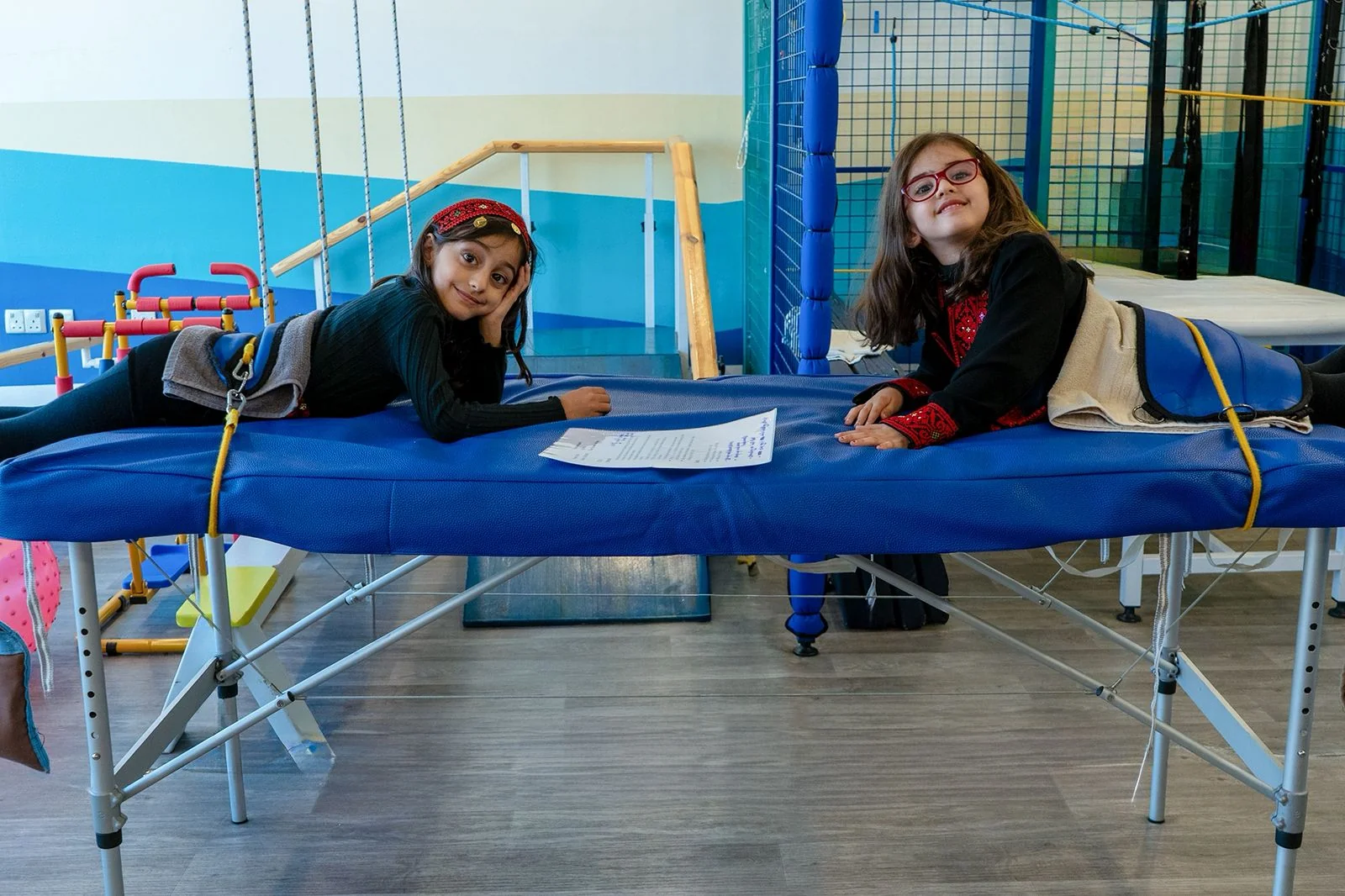
- What Is Therapeutic Positioning?
- In physiotherapy, positioning is far more than supporting posture. It is a powerful therapeutic tool used to deliver prolonged passive stretching, particularly for patients with neurological and musculoskeletal conditions.
- Therapeutic positioning involves placing the patient in carefully selected, well-aligned positions that allow muscles and soft tissues to remain in a lengthened state for an extended period of time, promoting long-term tissue adaptation and functional improvement.
Positioning vs. Conventional Stretching: What’s the Difference?
Conventional Stretching
Short duration (typically 15–30 seconds)
- Repetitive
- Often used to temporarily increase range of motion
- May stimulate the stretch reflex
- In neurological patients, it can sometimes increase spasticity
Prolonged Passive Stretch Positioning
- Long duration (20–40 minutes)
- Fully passive
- Low, constant force
- Maintains optimal joint alignment
- Minimizes reflex activity
- Promotes long-term soft tissue adaptation
Evidence shows that prolonged, low-load stretching is more effective than short stretches for managing spasticity, preventing contractures, and reducing deformity progression, especially in neurological populations.
- How Is Therapeutic Positioning Applied?
- After a thorough physical therapy assessment, the therapist:
- - Selects an appropriate therapeutic position
- - Safely supports the limb or joint
- - Ensures proper alignment and comfort
- - Monitors circulation, skin integrity, and tolerance
- - Maintains the position for the prescribed therapeutic duration
- Key Characteristics
- Low and sustained force
- Long duration
- Gradual application
- Always supervised by a qualified physical therapist
- Who Benefits from Therapeutic Positioning?
- Therapeutic positioning is commonly indicated for patients with:
- - Cerebral palsy (spastic, mixed, or other types with muscle tightness or secondary contractures)
- - Post-operative cases for deformity prevention
- - Muscle tightness and contractures, including toe walking
- - Post-stroke patients
- - Neurological conditions with increased tone or limited mobility
- Contraindications and Precautions
- Contraindications
- - Unhealed fractures
- - Acute joint inflammation
- - Joint instability
- - Severe or unexplained pain
- In these cases, prolonged stretching may increase tissue damage and should be avoided.
- Precautions
- - Sensory deficits
- - Circulatory impairments (e.g., poor tissue perfusion, necrotic areas)
- - Patients unable to communicate discomfort
- In such cases, positioning should be applied with reduced intensity, close monitoring, and frequent reassessment.
- Our Approach at The One Physical Therapy Centre
- At The One Physical Therapy Centre, therapeutic positioning is integrated into individualized rehabilitation programs based on comprehensive assessment and evidence-based practice.
- - Our goal is to ensure:
- - Maximum safety
- - Optimal comfort
- - Effective long-term outcomes
- - Prevention of secondary deformities
- Positioning is never applied as a standalone technique, but as part of a holistic rehabilitation strategy tailored to each patient’s needs.
References (APA Style)
Bower, E., & McLellan, D. L. (1992). Effect of prolonged stretching on muscle spasticity in cerebral palsy. Clinical Rehabilitation, 6(1), 31–36.
Gage, J. R. (2004). Gait analysis in cerebral palsy (3rd ed.). Mac Keith Press.
O’Neil, M. E., Fragala-Pinkham, M., Westcott McCoy, S., & Dumas, H. M. (2012). Pediatric orthotics and prosthetics: Clinical principles. American Academy of Orthotists and Prosthetists.
Pin, T., Dyke, P., & Chan, M. (2006). The effectiveness of passive stretching in children with cerebral palsy. Developmental Medicine & Child Neurology, 48(10), 855–862.