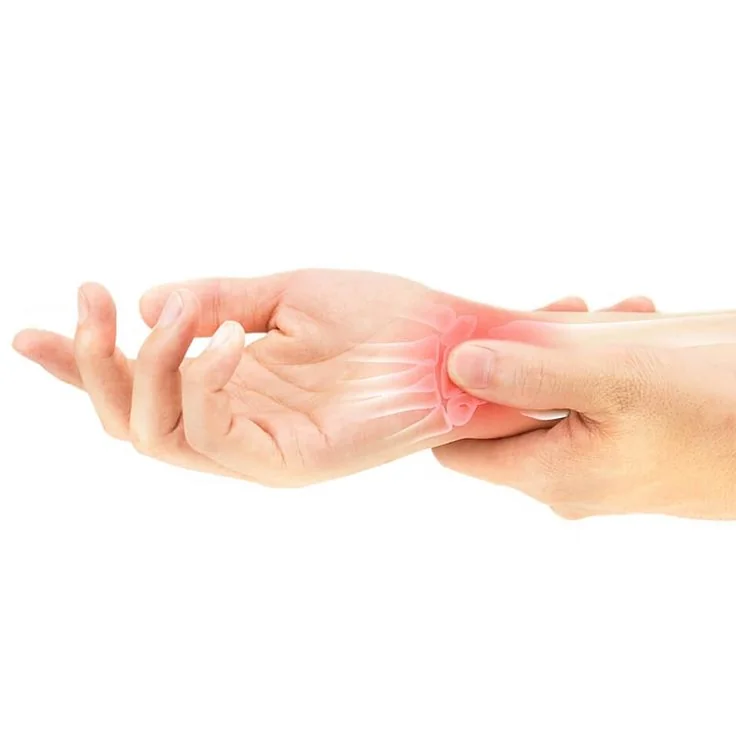
Carpal Tunnel Syndrome (CTS) : is the most common compressive neuropathy of the wrist and hand. It occurs when the median nerve is compressed as it passes through the carpal tunnel, a narrow passage at the base of the hand formed by bones and ligaments.
The median nerve controls sensation in the thumb, index, middle, and part of the ring finger and motor function of small thumb muscles. Compression can cause pain, numbness, weakness, and fine motor difficulties.
Causes
CTS develops due to increased pressure in the carpal tunnel, not direct nerve injury. Common factors include:
• Mechanical & Environmental: Wrist injuries, joint problems, repetitive hand use, poor ergonomics
• Medical Conditions: Diabetes, thyroid disorders, autoimmune diseases, fluid retention (pregnancy/menopause)
• Other Factors: More common in adults, especially women
Often, multiple factors contribute simultaneously.
Symptoms:
• Numbness & Tingling: Thumb, index, and middle fingers, triggered by repetitive hand activities
• Pain & Burning: Can radiate to fingers/forearm; often worse at night
• Fine Sensation Difficulty: Impairs precision tasks like buttoning or sewing
• Hand & Grip Weakness: Difficulty holding cups, turning doorknobs, picking up objects
• Fine Motor Challenges: Typing, cutting, and other precision tasks
Diagnosis:
Diagnosis is clinical, often by a physician or physical therapist:
1. Medical History: Daily hand use, risk factors, symptoms
2. Physical Exam: Sensory/motor testing, thumb strength, specific wrist tests (Phalen’s, Tinel’s, Carpal Compression)
3. Exclusion of Other Conditions: Neck or proximal nerve compression
4. Supportive Tests: Nerve conduction studies, imaging if needed
Physiotherapy Treatment
Physiotherapy is a safe, non-surgical option for mild to moderate CTS, reducing pain, numbness, and weakness, often within two weeks.
Key Interventions:
• Manual Therapy: Gentle mobilization, soft tissue massage
• Exercise Therapy: Nerve gliding, stretching, wrist/hand strengthening, posture/ergonomic training
• Supportive Methods: Wrist splints, Kinesio taping, yoga-based hand exercises
Importance of Early Intervention:
Early management can:
• Reduce pain and numbness
• Maintain hand function and fine motor skills
• Prevent symptom progression
• Reduce the likelihood of surgery
Simple strategies like ergonomics, targeted exercises, and physiotherapy are often highly effective.
References :
Graf, J. K., Lüdtke, K., & Wollesen, B. (2022). Physiotherapy and sports therapeutic interventions for treatment of carpal tunnel syndrome: A systematic review. Schemers, 36(4), 256–265. https://doi.org/10.1007/s00482-022-00637-x
National Institute of Arthritis and Musculoskeletal and Skin Diseases. (n.d.). Carpal tunnel syndrome. https://search.app/FKc3JrnSZCJgXSuj9
Rotaru-Zavaleta, A. D., Lungescu, C. V., Bunescu, M. G., et al. (2024). Occupational carpal tunnel syndrome: A scoping review of causes, mechanisms, diagnosis, and intervention strategies. Frontiers in Public Health, 12, 1407302. https://doi.org/10.3389/fpubh.2024.1407302
Weiss, A. P., & Akeman, E. (1992). Carpal tunnel syndrome: A review. Rhode Island Medical Journal, 75(6), 303–306. PMID: 1324028