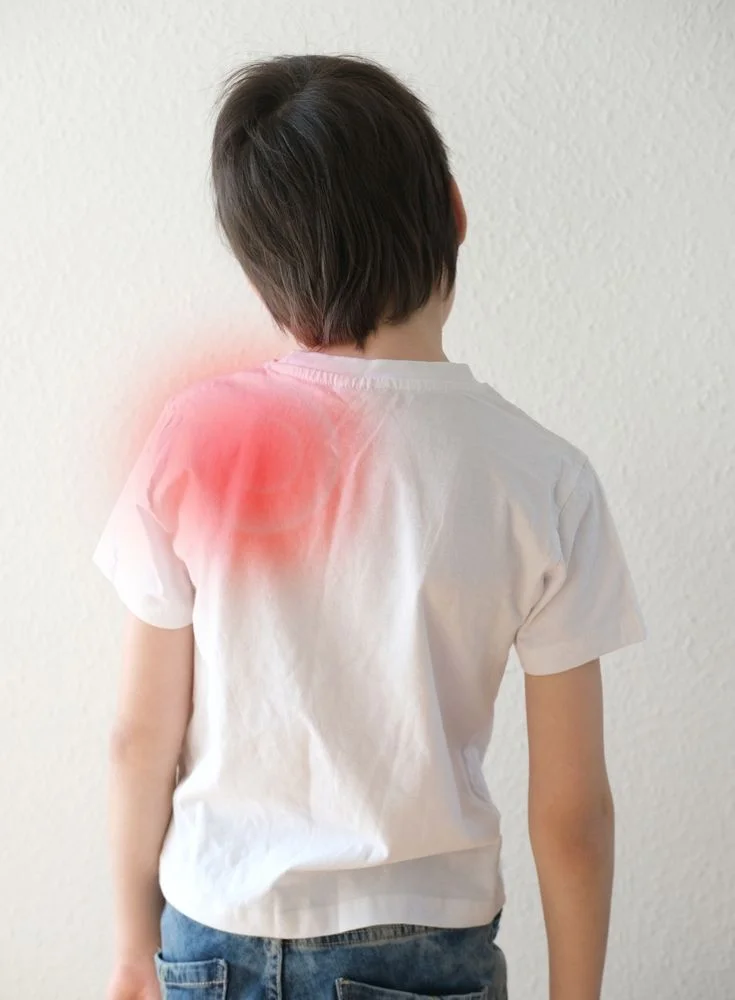
Erb’s palsy is the most common pattern of
obstetric brachial plexus injury (OBPI). It occurs when the
nerves controlling the baby’s arm are injured around the time of birth, most
commonly affecting the C5 and C6 nerve roots.
The injury may cause weakness and reduced movement of
the affected arm, particularly difficulty with shoulder movement and elbow
flexion. The arm may remain close to the body and rotated inward.
Causes and Risk Factors:
Brachial plexus injury may occur when the nerves are
stretched during delivery.
Risk factors can include:
- . Shoulder
dystocia
- . Higher birth
weight
- . Difficult or
prolonged labor
- . Assisted vaginal
delivery
- . Breech
presentation
- . Maternal
diabetes
However, Erb’s palsy can occur even when there are no
obvious risk factors.
Signs Parents May Notice:
Parents may notice:
- . One arm moving
less than the other
- . Weakness or
reduced spontaneous movement
- . The arm
remaining close to the body and rotated inward
- . Limited shoulder
or elbow movement
- . Difficulty using
the affected arm during reaching or play
. Any significant asymmetry or reduced movement in a
newborn’s arm should be medically assessed.
Diagnosis:
Diagnosis is mainly based on a clinical examination of
movement, muscle function, reflexes, sensation, and joint range of motion. The
Active Movement Scale may be used to monitor recovery.
In selected cases, additional investigations such as
EMG, nerve conduction studies, ultrasound, or MRI may be required.
Physiotherapy Management:
Physiotherapy is an important part of the
rehabilitation of children with brachial plexus birth injury.
Treatment is individualized according to the child's
age, severity of the injury, neurological recovery, joint mobility, and
functional abilities.
Key goals include:
- . Maintaining
joint range of motion
- . Preventing
stiffness and contractures
- . Encouraging
active muscle recovery
- . Promoting
functional use of the affected arm
- . Supporting
age-appropriate motor development
- . Improving
reaching, grasping, and play activities
- . Educating
parents about safe handling and home exercises
Early assessment and regular follow-up are
important:
for monitoring recovery and identifying children
who may require further specialist evaluation.
Does Every Child Recover Completely?
Recovery varies depending on the severity and location
of the nerve injury. Some children recover very well, while others may have
persistent weakness, reduced range of motion, or functional limitations.
If recovery is limited or does not progress as
expected referral to a specialized brachial plexus team may be necessary to
determine whether additional medical or surgical management is required.
What Should Parents Do?
Parents should:
- Handle the
affected arm carefully and avoid pulling or lifting the baby by that arm.
- Follow the
physiotherapist's recommended home program.
- Encourage
appropriate use of the affected arm as movement returns.
- Attend regular
follow-up appointments.
- Seek medical
advice if movement does not improve or if previously gained movement is
lost.
Conclusion:
Early recognition, appropriate assessment,
individualized physiotherapy, and regular follow-up are important for children
with Erb’s palsy.
The goal of rehabilitation is to support neurological
recovery, maintain joint mobility, and help the child achieve the best possible
functional use of the affected arm in everyday activities.
At The One Physical Therapy Center:
we provide individualized, evidence-informed pediatric
physiotherapy programs based on each child's specific needs and functional
goals.
References:
Boetto, V., Markova, A., Malgrati, F., Bongiovanni,
I., Bassetto, A., Pavese, C., Nardone, A., Massazza, G., Colò, G., & Titolo,
P. (2024). Conservative treatment of neonatal brachial plexus palsy: A
narrative review. Journal of Clinical Medicine, 13(24), 7826. https://doi.org/10.3390/jcm13247826
Gaiba, G., Lugari, P., & Tedeschi, R. (2025).
Educational therapy for caregivers of children with obstetric brachial plexus
palsy: A scoping review. European Journal of Physical and
Rehabilitation Medicine, 61(2), 178–183. https://doi.org/10.23736/S2724-5276.24.07611-0
Mahrouck, H., Almatrafi, N., & Tamboosi, M.
(2025). Early conservative physical therapy management of babies with obstetric
brachial plexus injury to facilitate spontaneous recovery. Pediatric
Physical Therapy, 37(1), 100–108. https://doi.org/10.1097/PEP.0000000000001161
Mendiratta, D., Levidy, M. F., Chu, A., & McGrath,
A. (2024). Rehabilitation protocols in neonates undergoing primary nerve
surgery for upper brachial plexus palsy: A scoping review. Microsurgery,
44(3), e31154. https://doi.org/10.1002/micr.31154
Osorio, M., Hartman, K. C., & Mendoza-Sengco, P.
(2025). Neonatal brachial plexus palsy. Physical Medicine and
Rehabilitation Clinics of North America, 36(3), 575–586. https://doi.org/10.1016/j.pmr.2025.03.005
Pires, J. A. P., Martins, I. C., Ohannesian, V. A., et
al. (2025). Long-term outcomes and effectiveness of interventions in neonatal
brachial plexus palsy: A systematic review. Medicine, 104(37),
e44508. https://doi.org/10.1097/MD.0000000000044508