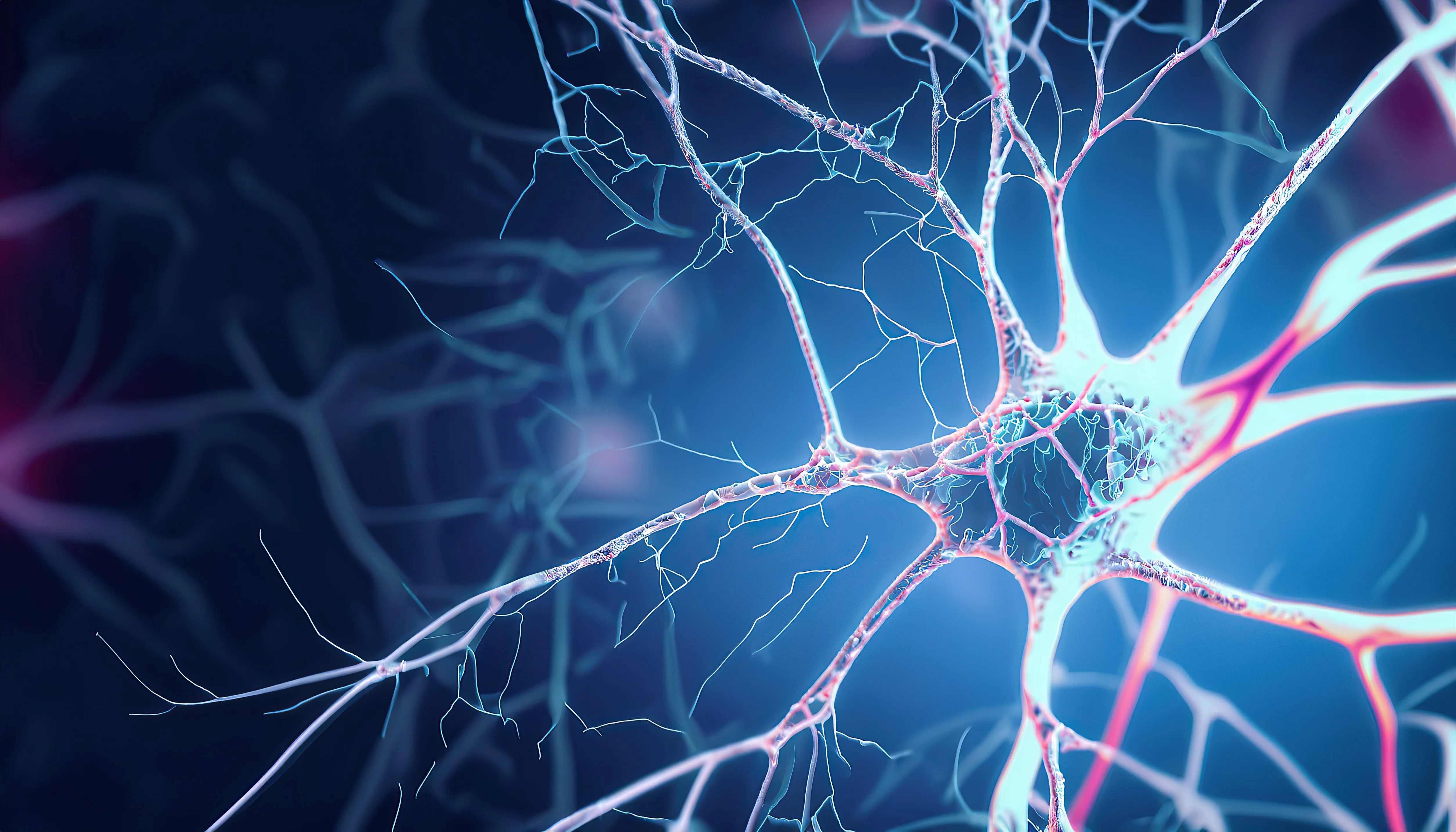
Neuroplasticity in Pediatrics: How Targeted Therapy Promotes Brain and Motor System Development
Neuroplasticity is the brain’s ability to reorganize itself and form new neural connections in response to experiences, learning, or therapy. In children, this ability is much greater than in adults, making early intervention and targeted therapy a powerful tool to enhance motor and cognitive development.
How Targeted Therapy Supports Neuroplasticity
Motor Skill Stimulation: Repetitive, goal-directed exercises help develop neural pathways responsible for fine and gross motor skills.
Task-Oriented Learning: Activities requiring focus, planning, and execution encourage the brain to adapt and optimize neural networks.
Repetition and Progression: Practicing skills repeatedly with gradual increases in challenge strengthens newly formed neural connections.
Sensory Integration: Activities that combine movement and multiple sensory inputs enhance neural adaptation and contribute to sensory regulation and balance.
Evidence-Based Support
Studies show that intensive, goal-directed therapy improves motor control and functional abilities in children with cerebral palsy and developmental delays (Kleim & Jones, 2008).
Early interventions that emphasize repetition and sensory stimulation promote brain development and nervous system function (Morgan et al., 2016).
Programs focusing on functional tasks and continuous practice enhance neuroplasticity and long-term motor gains (Novak et al., 2013).
Implementation in Our Centre
Programs are customized for each child based on their needs and goals.
We use goal-oriented and repetitive exercises with progressive challenge.
Objective outcome measures are monitored, including muscle strength, balance, and fine motor skills.
Therapy is combined with evidence-based adjuncts such as UEU, CME, and DMI to maximize neural and motor development.
Conclusion
Understanding neuroplasticity in children allows physical therapists to use targeted therapy that enhances brain and motor system development. Early, goal-directed, and repetitive interventions lead to better functional outcomes, improved independence, and enhanced movement skills in pediatric populations.
References
Kleim, J. A., & Jones, T. A. (2008). Principles of experience-dependent neural plasticity: Implications for rehabilitation after brain damage. Journal of Speech, Language, and Hearing Research, 51(1), S225–S239.
Morgan, C., Novak, I., & Badawi, N. (2016). Enabling neuroplasticity in infants and young children with cerebral palsy: Early intervention evidence. Developmental Medicine & Child Neurology, 58(11), 1123–1130.
Novak, I., et al. (2013). A systematic review of interventions for children with cerebral palsy: State of the evidence. Developmental Medicine & Child Neurology, 55(10), 885–910.